
Guide to choosing
Choose the environment you are interested in
Coolers and Freezers
Choose the bark among the suitable ones
SHEET METAL ZN-PV
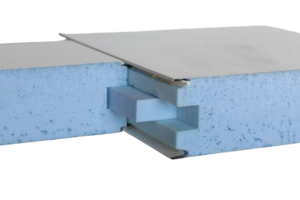
Pre-painted Galvanized Sheet Metal in Storage Cells: Robustness and Advanced Protection for Optimized Preservation
The use of pre-painted galvanized sheet metal in storage cells is motivated by its combination of robustness and advanced protection. The layer of zinc applied to the sheet metal offers superior corrosion resistance, effectively protecting the structure from weathering and adverse environmental conditions.
The pre-painting adds an additional layer of protection, ensuring that the surface remains intact over time, preserving both aesthetic appearance and structural functionality. This feature is particularly crucial in storage cells, where efficient cleaning and maintenance are essential.
Pre-painted galvanized sheet metal offers a durable and resistant solution, adapting to the diverse structural needs of storage cells. Its corrosion resistance and ease of cleaning make it a reliable choice to ensure food safety and optimal preservation of products stored in these environments.
SHEET METAL PLS
Plastic-Coated Sheet Metal in Storage Cells: Flexibility and Protection for Safe Preservation
The use of plastic-coated sheet metal in storage cells is motivated by its versatility and ability to provide reliable protection for temperature-sensitive environments. The plastic coating adds a protective layer that makes the sheet metal weather and moisture resistant, critical factors in storage cells.
The flexibility of plastic-coated sheet metal is equally crucial, allowing for easy shaping and adaptation to the diverse structural needs of storage cells. This feature is particularly advantageous in environments where space configuration may vary, while ensuring continuous and reliable protection.
By maintaining a smooth and non-porous surface, plastic-coated sheet metal facilitates cleaning and maintenance operations, helping to preserve purity and hygiene in the storage environment.
ALUMINIUM PV
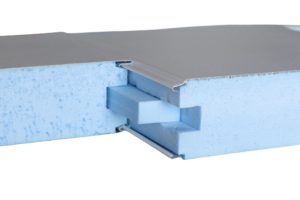
Pre-painted Aluminum in Storage Cells: Efficiency and Resistance for Optimal Preservation
The use of pre-painted aluminum in storage cells is motivated by its characteristics that perfectly align with the needs of these specialized environments. The lightweight nature of aluminum makes it an ideal choice, ensuring a solid construction without adding excessive structural load. This feature is crucial in storage cells, where operational efficiency is essential to maintain desired temperature conditions.
The pre-painting of aluminum adds an additional layer of protection, shielding the material from corrosion and ensuring long-term durability. This corrosion resistance is particularly relevant in environments with controlled temperatures and often high humidity levels, where the presence of corrosive agents could compromise the structure and integrity of materials.
Additionally, pre-painted aluminum is known for its ability to maintain constant environmental conditions, a fundamental requirement for storage cells. Its ease of cleaning and maintenance further contributes to the efficient management of such environments, ensuring optimal and sustainable preservation over time.
ALUMINIUM PLS
Plastic-Coated Aluminum in Storage Cells: Safety and Durability for Preservation
The use of plastic-coated aluminum in storage cells is justified by the need to ensure safety and durability for the preservation of sensitive materials. The plastic coating adds a protective layer to aluminum, helping to preserve its integrity in an environment where optimal preservation is crucial.
The lightness of plastic-coated aluminum allows for maintaining solid cells without increasing overall weight, offering flexibility in the design of storage structures. The corrosion resistance of aluminum, coupled with the plastic coating, makes it suitable for facing the challenges of changing environmental conditions and ensuring the durability of cells.
The smooth and easily cleanable surface of plastic-coated aluminum helps maintain a hygienic environment inside storage cells, ensuring the safety and integrity of stored materials over time.
STAINLESS STEEL PLS
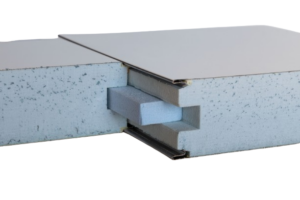
Plastic-Coated Stainless Steel in Storage Cells: Reliability and Resistance for the Preservation of Sensitive Materials
The use of plastic-coated stainless steel in storage cells is justified by the need to ensure reliability and resistance for the preservation of sensitive materials. The plastic coating adds a protective layer to stainless steel, helping to preserve its integrity in environments where optimal preservation is essential.
The lightness of plastic-coated stainless steel allows for maintaining sturdy cells without adding unnecessary weight, facilitating the design of efficient storage spaces. The corrosion resistance of stainless steel, combined with the plastic coating, makes it suitable for facing the challenges of environmental conditions.
The smooth and easily cleanable surface of plastic-coated stainless steel contributes to maintaining a hygienic environment inside storage cells, ensuring the safety and integrity of stored materials over time.
GLASSCOAT 1200
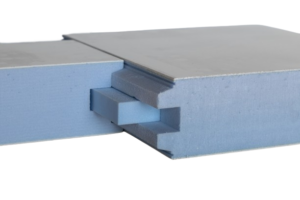
Storage Rooms with Fiberglass 1200: Lightness and Strength for Optimal Preservation
The use of fiberglass 1200 in storage cells aims to ensure an optimal balance between lightness and strength, thus contributing to creating efficient and durable preservation environments. The lightweight structure of fiberglass 1200 facilitates the design of flexible rooms, adaptable to the specific needs of preservation.
The intrinsic strength of this material ensures optimal preservation over time, maintaining the necessary insulating properties to preserve product freshness. Fiberglass 1200 is the ideal choice for preservation environments where lightness and robustness are essential to ensure reliable and long-lasting performance.
GLASSCOAT 2400
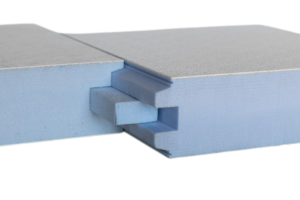
Storage Rooms with Fiberglass 2400: Surface Continuity and Advanced Durability for Excellent Preservation
The use of fiberglass 2400 in storage cells represents a qualitative leap, characterized by surface continuity and advanced durability that this solution offers. The structural configuration with longer panels significantly reduces joints, simplifying cleaning and maintenance operations.
This unique feature not only facilitates the maintenance of high hygiene standards but also contributes to ensuring excellent preservation. Fiberglass 2400 is the ideal choice for preservation environments where surface continuity and durability are essential to preserve product quality over time.
Processing Rooms
Choose the bark among the suitable ones
SHEET METAL ZN-PV
Pre-painted Galvanized Sheet Metal in Packaging Facilities: Strength and Advanced Protection for a Safe Environment
The use of pre-painted galvanized sheet metal in packaging facilities is driven by its strength and advanced protection it offers to preserve structural integrity and environmental safety. The layer of applied zinc gives the sheet metal superior corrosion resistance, effectively protecting the structure from environmental conditions and atmospheric agents.
The pre-painting adds an additional protective layer, ensuring that the surface remains intact over time, preserving both the aesthetic appearance and structural functionality. This feature is particularly important in packaging facilities, where efficient cleaning and maintenance are essential to ensure a safe and regulatory-compliant environment.
Pre-painted galvanized sheet metal offers a durable and resistant solution, adapting to the diverse structural needs of packaging facilities. Its corrosion resistance and ease of cleaning make it a reliable choice to ensure the safety and quality of packaging operations.
SHEET METAL PLS
Plastic-coated Sheet Metal in Packaging Facilities: Versatility and Optimal Protection for Regulation-compliant Environment
The use of plastic-coated sheet metal in packaging facilities is driven by its versatility and ability to provide effective protection to ensure a regulation-compliant environment. The plastic coating adds a protective layer that makes the sheet metal resistant to weathering and chemical substances present during packaging operations.
The flexibility of plastic-coated sheet metal is crucial in packaging facilities, allowing for adaptations to various space design needs. The ease of modeling makes it ideal for tailor-made solutions, optimizing space utilization and ensuring an efficient structure.
By maintaining a smooth and cleanable surface, plastic-coated sheet metal facilitates regular cleaning operations, contributing to maintaining the hygiene standards required in packaging facilities. Its combination of versatility and protection makes it a reliable choice for environments where safety and hygiene are priorities.
ALUMINIUM PV
Pre-painted Aluminum in Packaging Facilities: Operational Efficiency and Optimal Cleanliness
The use of pre-painted aluminum in packaging facilities is driven by its ability to provide an efficient and clean operating environment. The lightweight of aluminum helps maintain a solid structure without adding excessive weight, allowing flexibility in the design of packaging spaces.
The pre-painting provides a protective coating that preserves the aesthetic appearance of aluminum while protecting the surface from weathering and corrosive agents. This feature is essential in packaging facilities, where hygiene is a priority, and regular cleaning is common practice.
The corrosion resistance of pre-painted aluminum is particularly advantageous in environments where chemicals or vapors may be present during the packaging process. Its smooth and easily cleanable surface contributes to maintaining high hygiene standards, ensuring a safe environment suitable for packaging operations.
ALUMINIUM PLS
Plastic-Coated Aluminum in Packaging Facilities: Guaranteed Safety, Flexibility, and Hygiene
The use of plastic-coated aluminum in packaging facilities is motivated by the need to ensure high standards of safety, operational flexibility, and hygiene. The plastic coating adds an additional layer of protection to aluminum, helping to preserve its integrity in an environment where frequent cleaning is essential for food safety and packaging quality.
The lightness of plastic-coated aluminum allows for maintaining solid packaging facilities without adding excessive weight, enabling flexible space design. The corrosion resistance of aluminum, combined with the plastic coating, makes it suitable for withstanding environmental challenges and chemical substances present during packaging operations.
The smooth and easily cleanable surface of plastic-coated aluminum helps maintain high hygiene standards in packaging facilities, creating a safe environment suitable for precise and efficient operations in the packaging sector.
STAINLESS STEEL PLS
Plastic-Coated Stainless Steel in Packaging Facilities: Safety, Hygiene, and Robustness for the Packaging Sector
The use of plastic-coated stainless steel in packaging facilities is motivated by the need to ensure high standards of safety, hygiene, and robustness. The plastic coating adds a layer of protection to stainless steel, helping to preserve its integrity in an environment where constant cleaning is crucial for food safety and packaging quality.
The lightness of plastic-coated stainless steel allows for maintaining sturdy packaging facilities without adding excessive weight, facilitating the design of spaces for efficient packaging. The corrosion resistance of stainless steel, combined with the plastic coating, makes it suitable for resisting environmental challenges and chemical substances present during packaging operations.
The smooth and easily cleanable surface of plastic-coated stainless steel contributes to maintaining high hygiene standards in packaging facilities, creating a safe environment suitable for precise and hygienic operations in the packaging sector.
GLASSCOAT 1200
Fiberglass 1200 in Packaging Facilities: Lightness and Strength for Efficiently Structured Environment
The use of fiberglass 1200 in packaging facilities is driven by its properties that offer a combination of lightness and strength. Fiberglass 1200 provides a lightweight structural solution that facilitates flexibility in the design of packaging spaces, allowing for adaptations to the specific needs of the environment.
The corrosion resistance of fiberglass 1200 contributes to maintaining structural integrity over time, essential in packaging environments where vapors or chemicals may be present. Its smooth and non-porous surface facilitates regular cleaning, preserving high hygiene standards and ensuring a safe environment for packaging operations.
Fiberglass 1200 also offers an advantage in terms of lightness, facilitating the handling and installation of structures in packaging facilities.
GLASSCOAT 2400
Fiberglass 2400 in Packaging Facilities: Surface Continuity and Advanced Durability for a Safe Environment
The use of fiberglass 2400 in packaging facilities is based on its advanced structural configuration, characterized by longer panels that significantly reduce the number of joints. This specific feature significantly contributes to its suitability for use in sensitive environments such as packaging facilities.
The surface continuity offered by fiberglass 2400 minimizes points where unwanted particles can accumulate, facilitating cleaning and maintenance operations and thus contributing to maintaining the hygiene standards required in packaging environments.
The intrinsic resistance of fiberglass 2400, combined with its ability to maintain the required environmental conditions, makes it a reliable choice for applications where cleanliness, purity, and durability are essential. Its advanced structural configuration makes a significant contribution to creating uncompromising environments, meeting the rigorous demands of packaging facilities.
Clean Rooms
Choose the bark among the suitable ones
ALUMINIUM PV
Pre-painted Aluminum in Clean Rooms: Precision and Guaranteed Hygiene
The use of pre-painted aluminum in clean rooms is motivated by several properties that contribute to the environmental precision required in these structures. Firstly, the intrinsic lightness and robustness of aluminum make it an ideal material for the construction of walls, ceilings, and structural surfaces in clean rooms. Its corrosion resistance is particularly crucial in sensitive environments, where cleaning and maintenance are frequent operations.
The pre-painting of aluminum adds an additional layer of protection, ensuring that the surface remains free from contaminants and potentially harmful particles. The pre-painted finish also provides a smooth and easy-to-clean surface, essential in clean rooms where environmental purity must be maintained meticulously.
Additionally, aluminum’s ability to withstand temperature and humidity variations helps maintain stable environmental conditions required in clean rooms. Ultimately, pre-painted aluminum represents a reliable and efficient solution to ensure purity, precision, and compliance with standards in sensitive structures such as clean rooms.
ALUMINIUM PLS
Plastic-Coated Aluminum in Clean Rooms: Excellence in Hygiene and Cleanliness Controls
The use of plastic-coated aluminum in clean rooms is motivated by the need to ensure high standards of hygiene and environmental control. The plastic coating adds an additional layer of protection to aluminum, preserving its integrity in an environment where constant cleaning is essential to maintain high purity standards.
The lightness of plastic-coated aluminum allows for maintaining a solid structure without adding unnecessary weight, facilitating the design of clean rooms for accurate environmental control. The corrosion resistance of aluminum, combined with the plastic coating, makes it ideal for facing challenges from chemicals and maintaining an aseptic environment.
The smooth and easily cleanable surface of plastic-coated aluminum ensures a clean and safe environment in clean rooms, creating optimal conditions for delicate and precise operations that require a high standard of purity and hygiene.
STAINLESS STEEL PLS
Plastic-Coated Stainless Steel in Clean Rooms: Purity and Resistance for Sterile Environments
The use of plastic-coated stainless steel in clean rooms is motivated by the need to ensure high standards of purity and resistance. The plastic coating adds an additional layer of protection to stainless steel, preserving its integrity in environments where air purity is crucial.
The lightness of plastic-coated stainless steel contributes to maintaining a solid structure without adding excessive weight, facilitating the design of clean rooms for accurate environmental control. The corrosion resistance of stainless steel, combined with the plastic coating, makes it ideal for facing challenges in particularly sensitive and demanding environments.
The smooth and easily cleanable surface of plastic-coated stainless steel ensures a clean and safe environment in clean rooms, providing a reliable substrate for delicate and precise operations that require high standards of purity and hygiene.
GLASSCOAT 1200
1200 Fiberglass in Clean Rooms: Lightweight and Resilient with Maximum Purity
The use of 1200 fiberglass in clean rooms is guided by its unique characteristics that make it particularly suitable for high-precision environments. Firstly, 1200 fiberglass is known for its lightweight, providing a resilient structural solution that does not add excessive weight to surfaces and structures. This characteristic is essential in clean rooms where precision and purity are of primary importance.
The strength of 1200 fiberglass is another strong point, ensuring that the structure maintains its integrity and durability over time. Fiberglass is intrinsically resistant to corrosion, helping to maintain surface cleanliness and purity.
Additionally, 1200 fiberglass offers a smooth and non-porous surface, facilitating cleaning and reducing the risk of accumulation of unwanted particles. Its compliance with safety and hygiene standards makes it a reliable choice for sensitive environments such as clean rooms.
GLASSCOAT 2400
2400 Fiberglass in Clean Rooms: Surface Continuity and Advanced Resistance
2400 fiberglass stands out for its innovative configuration, characterized by longer panels that significantly reduce the number of joints. This specific feature contributes significantly to its suitability for use in clean rooms.
The surface continuity offered by 2400 fiberglass, thanks to the longer panels, minimizes points where unwanted particles can accumulate, further facilitating cleaning and maintenance operations. Fewer joints not only translate into a smoother surface but also reduce the chances of contamination, a crucial aspect in high-purity environments such as clean rooms.
The intrinsic strength of 2400 fiberglass, combined with its ability to maintain required environmental conditions, makes it a reliable choice for applications where cleanliness, purity, and durability are essential. Its advanced structural configuration makes a significant contribution to creating uncompromising environments, meeting the rigorous requirements of clean rooms.
Fruit cutting rooms
Choose the bark among the suitable ones
ALUMINIUM PV
Pre-painted Aluminum in Fruit Cutting Rooms: Hygiene and Resistance for a Safe Environment
The use of pre-painted aluminum in fruit cutting rooms is motivated by its ability to ensure a hygienic and resistant environment, essential in contexts where food handling requires high safety standards.
The lightness of aluminum facilitates the design of efficient structures and the creation of flexible workspaces in fruit cutting rooms. The pre-painting adds a protective layer that preserves the surface from wear, thus contributing to maintaining the cleanliness and hygiene of the environment.
The corrosion resistance of pre-painted aluminum is crucial in fruit cutting rooms, where moisture and acidic agents from the fruit may be present. Its smooth and non-porous surface facilitates regular cleaning, ensuring a safe environment for food cutting and preparation operations.
ALUMINIUM PLS
Plastic-Coated Aluminum in Fruit Cutting Rooms: Safety, Hygiene, and Food Quality Resistance
The use of plastic-coated aluminum in fruit cutting rooms is justified by the need to ensure high standards of safety, hygiene, and resistance to preserve food quality. The plastic coating adds an additional layer of protection to aluminum, helping to maintain the material’s integrity in an environment where constant cleaning is crucial to ensure food safety.
The lightness of plastic-coated aluminum allows for maintaining sturdy fruit cutting rooms without adding unnecessary weight, facilitating the design of spaces for easy processing. The corrosion resistance of aluminum, combined with the plastic coating, makes it suitable for withstanding challenging environmental conditions and moisture associated with fruit processing.
The smooth and easily cleanable surface of plastic-coated aluminum helps maintain high hygiene standards in fruit cutting rooms, creating a safe environment suitable for precise and hygienic operations in the food processing sector.
STAINLESS STEEL PLS
Plastic-Coated Stainless Steel in Fruit Cutting Rooms: Safety, Hygiene, and Resistance for Food Processing
The use of plastic-coated stainless steel in fruit cutting rooms is justified by the need to ensure high standards of safety, hygiene, and resistance for food processing. The plastic coating adds an additional layer of protection to stainless steel, contributing to preserving its integrity in environments where constant cleaning is crucial to ensure food safety.
The lightness of plastic-coated stainless steel allows for maintaining sturdy fruit cutting rooms without adding unnecessary weight, facilitating the design of spaces. The corrosion resistance of stainless steel, combined with the plastic coating, makes it suitable for resisting environmental challenges and moisture associated with fruit processing.
The smooth and easily cleanable surface of plastic-coated stainless steel helps maintain a hygienic environment in fruit cutting rooms, ensuring the safety and integrity of food products during the processing.
GLASSCOAT 1200
Fiberglass 1200 in Tripe Rooms: Lightness and Strength for a Safe Working Environment
The use of fiberglass 1200 in tripe rooms is driven by its combination of lightness and strength, providing an efficiently structured environment for offal processing activities.
The lightness of fiberglass 1200 facilitates the design of flexible workspaces and the creation of structures suitable for the specific needs of tripe rooms. The corrosion resistance of this material contributes to maintaining structural integrity, crucial in environments subject to humidity and contact with substances present in offal.
The smooth and non-porous surface of fiberglass 1200 facilitates regular cleaning, preserving high hygiene standards in tripe rooms. Its combination of lightness and strength makes it an advantageous choice for environments where food safety and operational efficiency are priorities.
GLASSCOAT 2400
Fiberglass 2400 in Tripe Rooms: Surface Continuity and Advanced Durability for a Safe Environment
The use of fiberglass 2400 in tripe rooms is based on its advanced structural configuration, characterized by longer panels that significantly reduce the number of joints. This specific feature significantly contributes to its suitability for use in sensitive environments such as tripe rooms.
The surface continuity offered by fiberglass 2400 minimizes points where unwanted particles can accumulate, facilitating cleaning and maintenance operations and thus contributing to maintaining the hygiene standards required in food processing environments.
The intrinsic resistance of fiberglass 2400, combined with its ability to maintain the required environmental conditions, makes it a reliable choice for applications where cleanliness, purity, and durability are essential. Its advanced structural configuration makes a significant contribution to creating uncompromising environments, meeting the rigorous demands of tripe rooms.
Smoking
Choose the bark among the suitable ones
STAINLESS STEEL
Stainless Steel in Smoking Rooms: Perfect Resistance and Hygiene
Stainless steel is an ideal choice for smoking room environments due to its unique characteristics of resistance and hygiene. Its high corrosion resistance is crucial in an environment where moisture and exposure to smoke can be particularly aggressive for other materials. Stainless steel maintains its structural and aesthetic integrity even under environmental stress conditions.
Additionally, the smooth and non-porous surface of stainless steel facilitates cleaning and prevents residue buildup. This feature is essential in smoking operations, where hygiene is of primary importance to ensure the quality and safety of the smoked product. Resistance to oxidation and ease of cleaning make stainless steel a reliable and durable choice for smoking environments, helping to maintain the highest standards of food safety and lasting performance.
Tripe Room
Choose the bark among the suitable ones
STAINLESS STEEL
Stainless Steel in Tripe Rooms: Excellent Hygiene and Resistance for Safe Processing
The use of stainless steel in tripe rooms is motivated by the need to ensure high hygiene and resistance standards for a safe processing environment. The oxidation and corrosion resistance of stainless steel are crucial in an environment where corrosive substances and challenging environmental conditions may be present.
The smooth and non-porous surface of stainless steel facilitates regular cleaning and disinfection, contributing to maintaining high hygiene standards in tripe rooms. The structural robustness of stainless steel provides a safe and resistant environment, ensuring that equipment and structures maintain their integrity over time.
The excellent hygiene and durability of stainless steel make it a reliable choice for tripe rooms, ensuring a safe working environment that complies with hygiene regulations.
GLASSCOAT 1200
Fiberglass 1200 in Tripe Rooms: Lightness and Strength for Efficient Working Environment
The use of fiberglass 1200 in tripe rooms is driven by its combination of lightness and strength, providing an efficiently structured working environment for offal processing activities. The lightness of this material facilitates the design of flexible and adaptable spaces to the specific needs of the processing process.
The corrosion resistance of fiberglass 1200 contributes to maintaining structural integrity over time, especially in environments where corrosive substances may be present. Its smooth and non-porous surface facilitates regular cleaning, preserving high hygiene standards in tripe rooms.
Fiberglass 1200 offers a lightweight and durable solution for the specific needs of offal processing, providing a safe environment suitable for tripe processing operations. Next, we will explore fiberglass 2400, focusing on its specific characteristics that may offer additional advantages in certain processing contexts.
GLASSCOAT 2400
Fiberglass 2400 in Tripe Rooms: Surface Continuity and Advanced Durability for a Safe Environment
The use of fiberglass 2400 in tripe rooms is based on its advanced structural configuration, characterized by longer panels that significantly reduce the number of joints. This specific feature significantly contributes to its suitability for use in sensitive environments such as tripe rooms.
The surface continuity offered by fiberglass 2400 minimizes points where unwanted particles can accumulate, facilitating cleaning and maintenance operations and thus contributing to maintaining the hygiene standards required in offal processing environments.
The intrinsic resistance of fiberglass 2400, combined with its ability to maintain the required environmental conditions, makes it a reliable choice for applications where cleanliness, purity, and durability are essential. Its advanced structural configuration makes a significant contribution to creating uncompromising environments, meeting the rigorous demands of tripe rooms.
Medical Labs
Choose the bark among the suitable ones
ALUMINIUM PV
Pre-painted Aluminum in Pharmaceutical Laboratories: Safety and Cleanliness for High Standards
The use of pre-painted aluminum in pharmaceutical laboratories is motivated by the need to meet high standards of safety, hygiene, and structural resistance. The lightweight of aluminum helps maintain a solid structure without adding excessive weight, while allowing flexibility in the design of laboratory spaces.
The pre-painting of aluminum not only provides an aesthetic finish but also adds a protective layer that helps preserve the integrity of the material. This feature is particularly important in pharmaceutical laboratories, where frequent and thorough cleaning is essential to ensure the safety and effectiveness of operations.
The corrosion resistance of aluminum is an additional advantage, essential in environments where the presence of chemicals could pose a challenge for less robust materials. The smooth and easily cleanable surface of pre-painted aluminum contributes to maintaining high hygiene standards in pharmaceutical laboratories, ensuring a safe environment suitable for delicate and precise operations.
ALUMINIUM PLS
Plastic-Coated Aluminum in Pharmaceutical Laboratories: Safety and Cleanliness for High Standards
The use of plastic-coated aluminum in pharmaceutical laboratories is motivated by the need to meet high standards of safety, hygiene, and structural resistance. The plastic coating adds an additional layer of protection to aluminum, helping to preserve the material’s integrity in an environment where frequent cleaning is essential to ensure the safety and effectiveness of operations.
The lightness of plastic-coated aluminum contributes to maintaining a solid structure without adding excessive weight, allowing flexibility in the design of spaces within laboratories. The corrosion resistance of aluminum combines with the plastic coating to create a robust material, suitable for facing the challenges of chemicals present in these environments.
The smooth and easily cleanable surface of plastic-coated aluminum ensures a high standard of hygiene, creating a safe environment suitable for delicate and precise operations in pharmaceutical laboratories.
STAINLESS STEEL PLS
Plastic-Coated Stainless Steel in Pharmaceutical Laboratories: Safety, Hygiene, and Durability
The use of plastic-coated stainless steel in pharmaceutical laboratories is justified by the need to ensure high standards of safety, hygiene, and durability. The plastic coating adds an additional layer of protection to stainless steel, preserving its integrity in an environment where frequent cleaning is essential to ensure the safety and effectiveness of pharmaceutical operations.
The lightness of plastic-coated stainless steel contributes to maintaining a solid structure without adding excessive weight, allowing flexible space design within laboratories. The corrosion resistance of stainless steel, combined with the plastic coating, makes it suitable for resisting the challenges of chemical substances present in these environments.
The smooth and easily cleanable surface of plastic-coated stainless steel ensures a high standard of hygiene in pharmaceutical laboratories, creating a safe environment suitable for delicate and precise operations in the pharmaceutical sector.
GLASSCOAT 1200
Fiberglass 1200 in Pharmaceutical Laboratories: Lightness and Strength for a Safe Environment
The use of fiberglass 1200 in pharmaceutical laboratories is driven by its characteristics that offer an ideal balance between lightness and strength. Fiberglass 1200, thanks to its composition and structure, provides a lightweight solution that facilitates handling and flexibility in the design of laboratory spaces.
The corrosion resistance of fiberglass 1200 is significant in pharmaceutical environments where frequent cleaning is essential. This material offers a smooth and non-porous surface, facilitating cleaning and maintenance operations to maintain high hygiene standards.
Fiberglass 1200 contributes to the overall safety of the pharmaceutical environment thanks to its ability to resist chemicals and maintain its structural integrity over time.
GLASSCOAT 2400
Fiberglass 2400 in Pharmaceutical Laboratories: Surface Continuity and Increased Durability for a Safe Environment
The use of fiberglass 2400 in pharmaceutical laboratories is based on its unique configuration, characterized by longer panels that significantly reduce the number of joints. This specific feature significantly contributes to its suitability for use in sensitive environments such as pharmaceutical laboratories.
The surface continuity offered by fiberglass 2400 minimizes points where unwanted particles can accumulate, facilitating cleaning and maintenance operations and thus contributing to maintaining the hygiene standards required in pharmaceutical laboratories.
The intrinsic resistance of fiberglass 2400, combined with its ability to maintain the required environmental conditions, makes it a reliable choice for applications where cleanliness, purity, and durability are essential. Its advanced structural configuration makes a significant contribution to creating uncompromising environments, meeting the rigorous demands of pharmaceutical laboratories.